
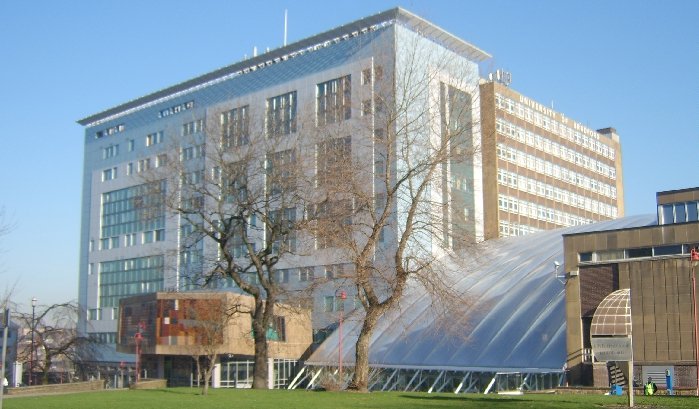
The University of Bradford is at the frontline of developing technology in the search for missing persons.
Researchers at the university have developed a method of ageing facial images that could enhance the search for long-term missing people worldwide.
The method maps out the key features, such as the shape of the cheek, mouth and forehead, of a face at a certain age. This information is fed to a computer algorithm which then synthesises new features for the face to produce photographic quality images of the face at different ages.
The method teaches the machine how humans age by feeding the algorithm facial feature data from a large database of individuals at various ages. Consequently, the method improves on existing techniques, achieving a greater level of accuracy.
 Boy, 15, Charged with Murder After Fatal Wembley Stabbing
 Three Bradford Shops Closed Over Illegal Goods and Anti-Social Behaviour
 Man Jailed After Deliberately Driving Car at People Outside Bradford Casino
 Man Charged with Murder and Eight Attempted Murders Following Hounslow House Fire
 North Yorkshire Police Warn of Rise in Fake Police Officer Fraud
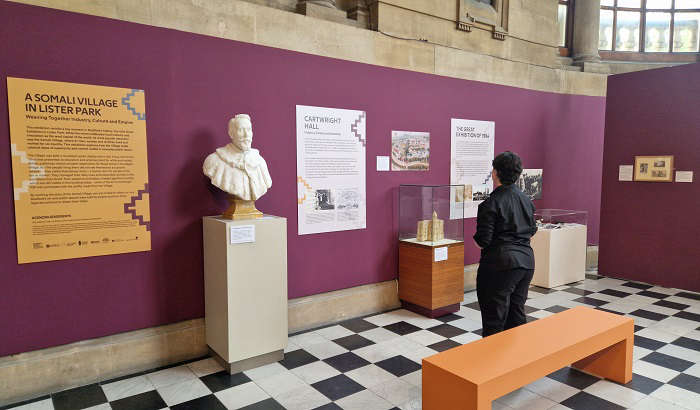 Bradford Somali History Project Wins National Cultural Award
 Plans to Turn Former Halifax Pub into Builders’ Merchants Rejected
 Plans Submitted for 25 New Council Homes in Farsley
 Consent Conversations Campaign Comes to Leeds Festival for First Time

 Bhangra Nights
 Alim OnAir
 Legal Show
 The Golden Era