
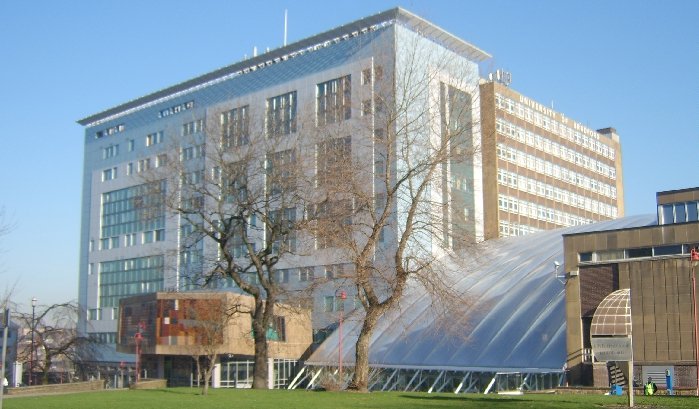
The University of Bradford is at the frontline of developing technology in the search for missing persons.
Researchers at the university have developed a method of ageing facial images that could enhance the search for long-term missing people worldwide.
The method maps out the key features, such as the shape of the cheek, mouth and forehead, of a face at a certain age. This information is fed to a computer algorithm which then synthesises new features for the face to produce photographic quality images of the face at different ages.
The method teaches the machine how humans age by feeding the algorithm facial feature data from a large database of individuals at various ages. Consequently, the method improves on existing techniques, achieving a greater level of accuracy.
 Tribute paid to hospital radio legend Patrick Murphy
 Bradford Council reports strong progress on financial recovery
 Bradford nurseries recognised with elite ‘900 Club’ award
 Teenager injured in Dewsbury bus station stabbing as three arrested
 Muslim Aid Launches Winter Support for Vulnerable Communities
 30 Years of Clean-Ups: Britain’s Largest Muslim Youth Group Takes to the Streets on New Year’s Day
 Texas Crispy Takeaway Damaged in Shipley Incident
 Millions of Tenants Protected Under New Awaab’s Law Reforms
 Remix Saturdays
 Alim OnAir
 Legal Show
 The Golden Era