

A proposal to invest £1.6million to help protect an area of Leeds from flooding by developing a new natural greenspace is to be discussed by senior councillors this week.
The plan to put in place the Killingbeck Meadows Natural Flood Management Scheme in east Leeds will be considered by Leeds City Council’s executive board at Civic Hall on Wednesday (21 September).
Under the proposal, an area of open land at Killingbeck Meadows would be developed using natural improvements such as tree and vegetation planting to enhance the ecology and biodiversity of the area as well as incorporating footpaths to make for an attractive public space.
With its close proximity to the Wyke Beck, which stretches from Seacroft to Skelton Lake before discharging into the River Aire, Killingbeck Meadows would be designed to help control river levels during heavy rainfall as it would store almost 25,000 cubic metres of water. A valve system built into the design would then be operated to release the water into the river system in a controlled way when river levels mean it is safe to do so.
The scheme would not only help protect existing properties along the Wyke Beck, but also approximately 2,000 new homes which are expected to be built in the area in the years to come including those on the council’s Brownfield Land Programme.
While the Wyke Beck did not flood as a result of the impact of Storm Eva on Boxing Day 2015, it has proven vulnerable in the past with flooding problems experienced at Parkway Vale, Grange Park, South Parkway and the Dunhill Estate.
The cost of creating Killingbeck Meadows would be met through Section 106 and other contributions from new developments in the area.
Initial discussions about Killingbeck Meadows have already taken place with a range of stakeholders including the Friends of Wyke Beck, the Dunhills Flood Action Group, the Environment Agency, Yorkshire Wildlife Trust and Natural England.
A design for the scheme is now being prepared which will go out for public consultation shortly. Should the scheme be approved, would be carried out to create Killingbeck Meadows in 2018.
Leeds City Council executive member for regeneration, transport and planning Councillor Richard Lewis said:
“This is exactly the kind of regeneration we want to see in Leeds, with new housing delivering real benefits for everyone; especially the local residents. It brings everything together and comes to a practical, forward-looking solution. The additional flood protection will help to give people confidence in terms of moving into the area to live and also for businesses to invest in, while the new footpaths will make walking through the area even more enjoyable.”
Leeds City Council executive member for the environment and sustainability Councillor Lucinda Yeadon said:
“The Killingbeck Meadows plan is a really exciting idea of protecting property and also creating an attractive new public greenspace in the city for everyone to enjoy, so it has a wide range of benefits and we look forward to seeing it come to fruition.”
 Controversial 500MW Solar Farm Spanning Milton Keynes and Northamptonshire Approved Despite Environmental Concerns
 Nine People Charged with 49 Offences Following Major Police Raids in Rochdale
 Calderdale Youth Justice Service Praised for Supporting Young People Despite Inspection Rating
 Bradford Driver Jailed After Ramming Police Car in Huddersfield
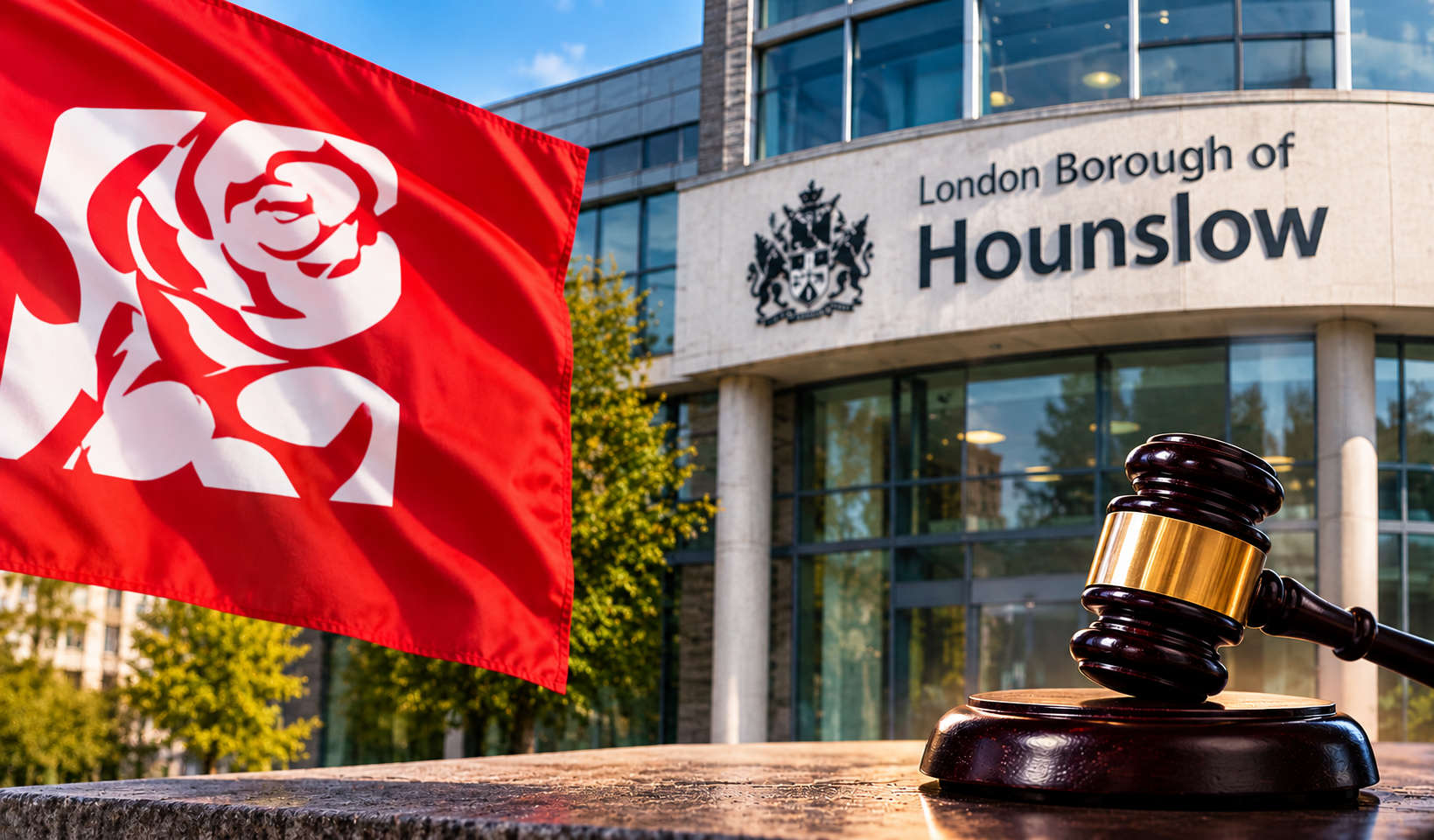 Labour Loses Control of Hounslow Council After Councillor Charged with Fraud
 Manchester Communities Invited to Apply for Remembrance Sunday Grants
 Keighley Women and Children’s Centre Completes Major Expansion
 Milton Keynes Man Convicted of Daesh-Related Terrorism Offences
 Leeds Bradford Airport Workers Announce 48-Hour Strike
 Bradford Youngsters to Mark World Food Day with Cookery Challenge
 Four Men Charged Following Series of Warrants in Rochdale

 Bhangra Nights
 Alim OnAir
 Remix Saturdays
 Legal Show