
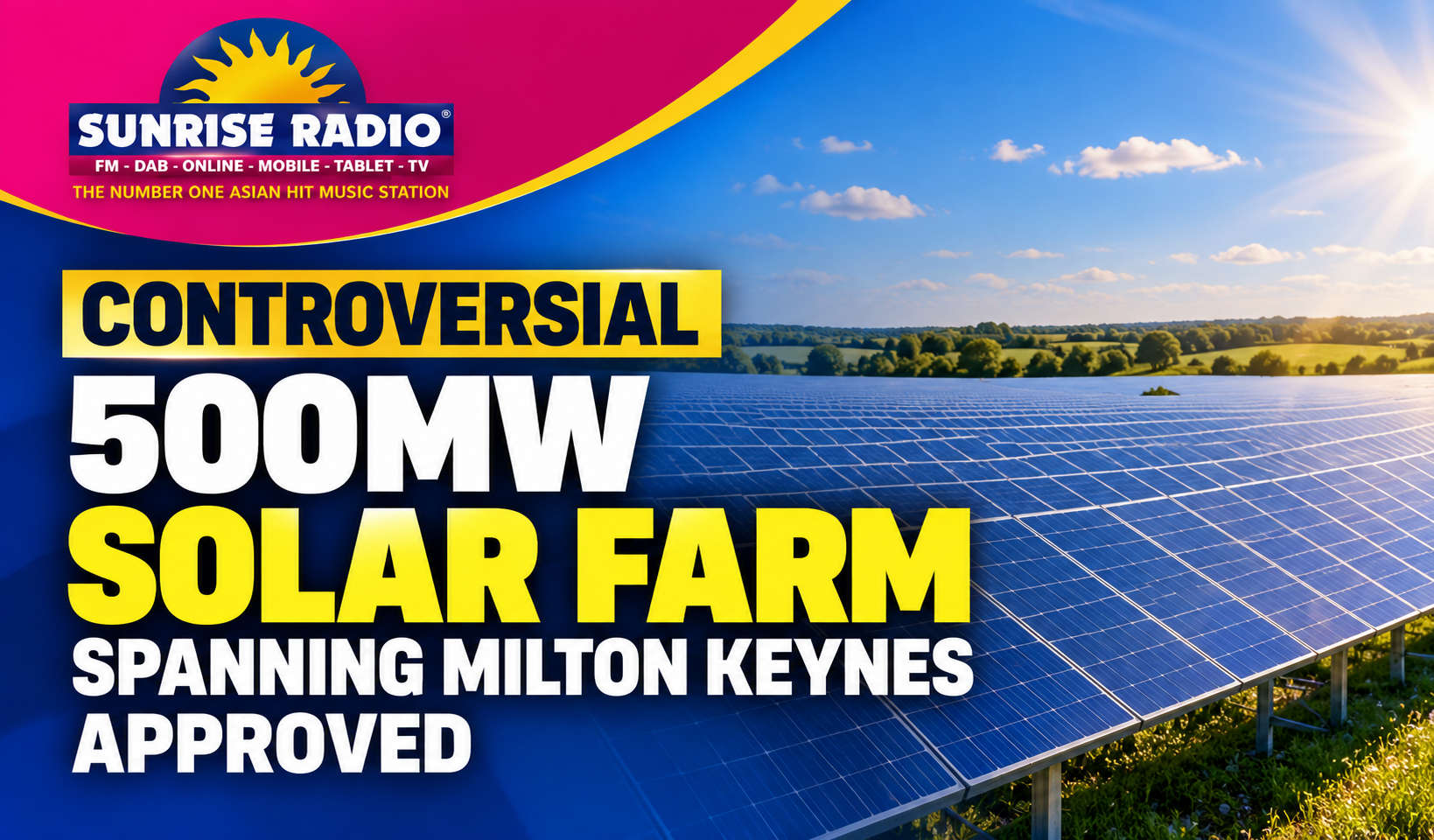
The Government has approved the massive Green Hill Solar Farm development despite objections over the loss of agricultural land, its impact on wildlife and the surrounding countryside.
A controversial solar farm development stretching across parts of Milton Keynes and Northamptonshire has been granted Government approval, despite significant concerns about its impact on farmland, wildlife and the countryside.
The Green Hill Solar Farm, which could generate up to 500 megawatts of electricity, received development consent on Thursday, 8 October 2026, following a six-month examination by the Planning Inspectorate.
The decision clears the way for one of the region's major renewable energy developments, comprising several large areas of solar panels, underground electricity cables, battery storage facilities and associated infrastructure.
However, the approval has sparked concern over the scale of the project, its proposed 60-year operational lifespan and the potential long-term consequences for local communities and the environment.
Development stretching across three council areas
The Green Hill Solar Farm will cover land within the administrative boundaries of Milton Keynes City Council, West Northamptonshire Council and North Northamptonshire Council, with its southernmost section reaching towards the Bedford Borough boundary.
According to the developer's plans, the northern sections will be located around Lamport, Old and Walgrave, with further areas extending towards Moulton, Overstone, Sywell and Ecton.
Other solar fields are planned for countryside east of Northampton, including locations near Little Houghton, Great Houghton, Grendon, Bozeat and Lavendon.
The development will connect to the national electricity network at Grendon, with underground cables linking the various sites and a battery energy storage facility.
More than 850 hectares of productive farmland affected
One of the biggest concerns raised during the planning process was the loss of access to valuable agricultural land.
Government inspectors acknowledged that approximately 854.5 hectares of the best and most versatile agricultural land would become unavailable for arable farming during the development's operational lifetime.
Both West Northamptonshire Council and North Northamptonshire Council objected to the proposed 60-year lifespan, arguing that a shorter 40-year period would be more appropriate.
The councils raised concerns about the long-term effects on agricultural production, rural landscapes and surrounding communities.
The Government's decision also acknowledged negative impacts on the landscape and historic environment.
Concerns over skylarks and other wildlife
The development has also faced scrutiny over its potential impact on wildlife, particularly skylarks and other ground-nesting birds.
Environmental surveys identified 286 skylark territories across the proposed development area.
Inspectors recognised that some adverse effects on the birds would remain despite measures designed to reduce environmental damage.
Milton Keynes City Council questioned whether the proposed arrangements to compensate for displaced skylarks were sufficient.
The approval includes environmental requirements such as habitat improvements, additional planting and measures intended to protect wildlife.
There are also provisions governing the eventual removal of the solar infrastructure and restoration of the land when the development reaches the end of its operational life.
Government says renewable energy benefits outweigh harm
Despite the objections, ministers concluded that the benefits of the development outweighed its environmental and agricultural impacts.
The Department for Energy Security and Net Zero determined that the project would make an important contribution to the UK's renewable electricity supply, energy security and national net-zero objectives.
The Government's decision acknowledges the adverse effects but concludes that the public benefits justify granting consent, subject to environmental safeguards.
More than 1,200 representations received
The application was accepted for examination in June 2025.
Following public hearings and written submissions, the Planning Inspectorate completed its examination and submitted recommendations to ministers on 8 July 2026.
A total of 1,262 relevant representations were received during the planning process, reflecting the considerable interest in the scheme.
The final development consent decision was made by Baroness Curran on behalf of the Energy Secretary.
Although planning approval has now been granted, the decision does not establish when construction will begin or when the solar farm will become operational.
Full decision documents are available through the Planning Inspectorate's national infrastructure website.
 Nine People Charged with 49 Offences Following Major Police Raids in Rochdale
 Calderdale Youth Justice Service Praised for Supporting Young People Despite Inspection Rating
 Bradford Driver Jailed After Ramming Police Car in Huddersfield
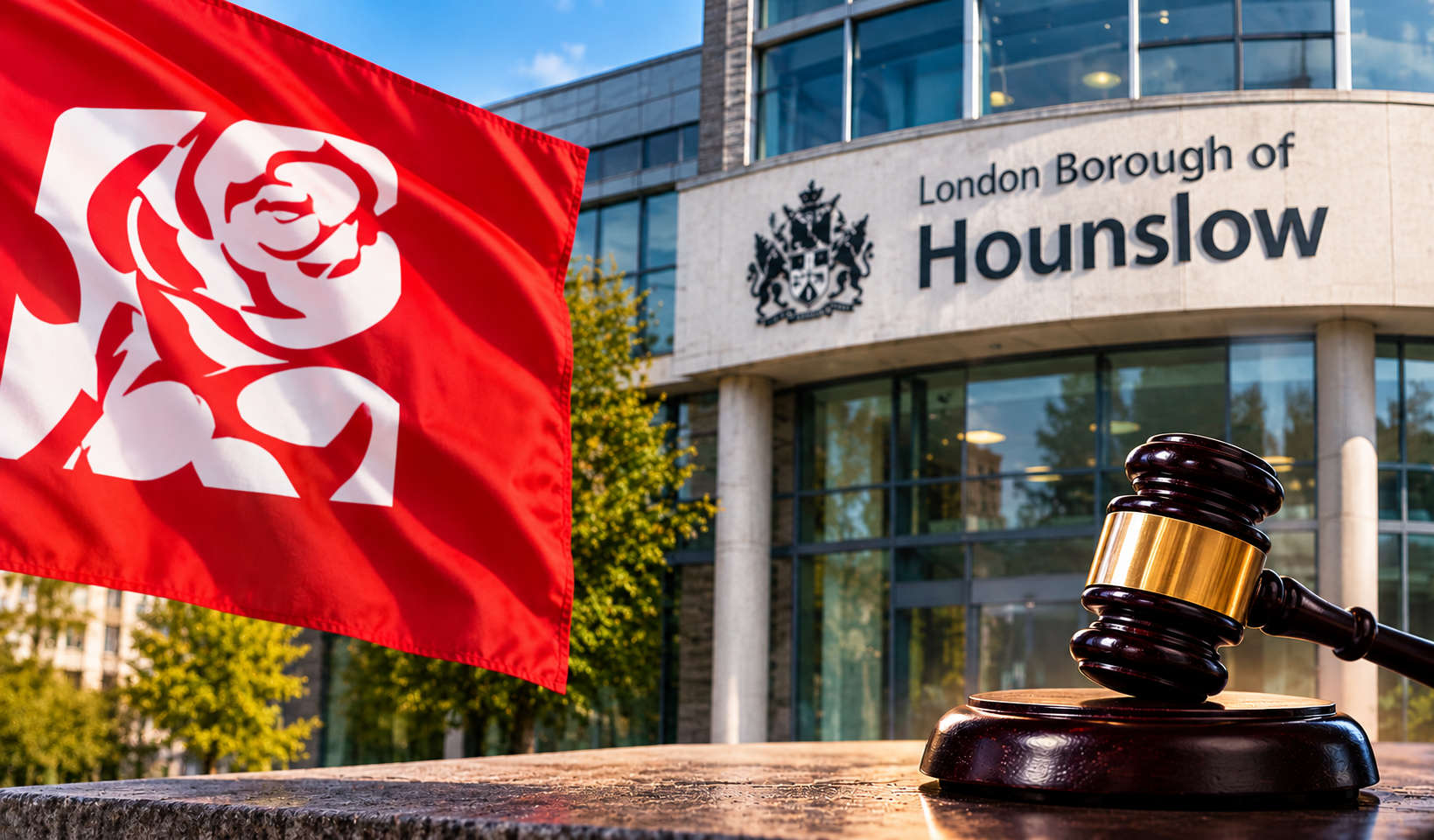 Labour Loses Control of Hounslow Council After Councillor Charged with Fraud
 Manchester Communities Invited to Apply for Remembrance Sunday Grants
 Keighley Women and Children’s Centre Completes Major Expansion
 Milton Keynes Man Convicted of Daesh-Related Terrorism Offences
 Leeds Bradford Airport Workers Announce 48-Hour Strike
 Bradford Youngsters to Mark World Food Day with Cookery Challenge
 Four Men Charged Following Series of Warrants in Rochdale
 Oxford Man Jailed for 17 Years for Serious Offences Against Woman

 The Golden Era
 Remix Saturdays
 Bhangra Nights
 Legal Show